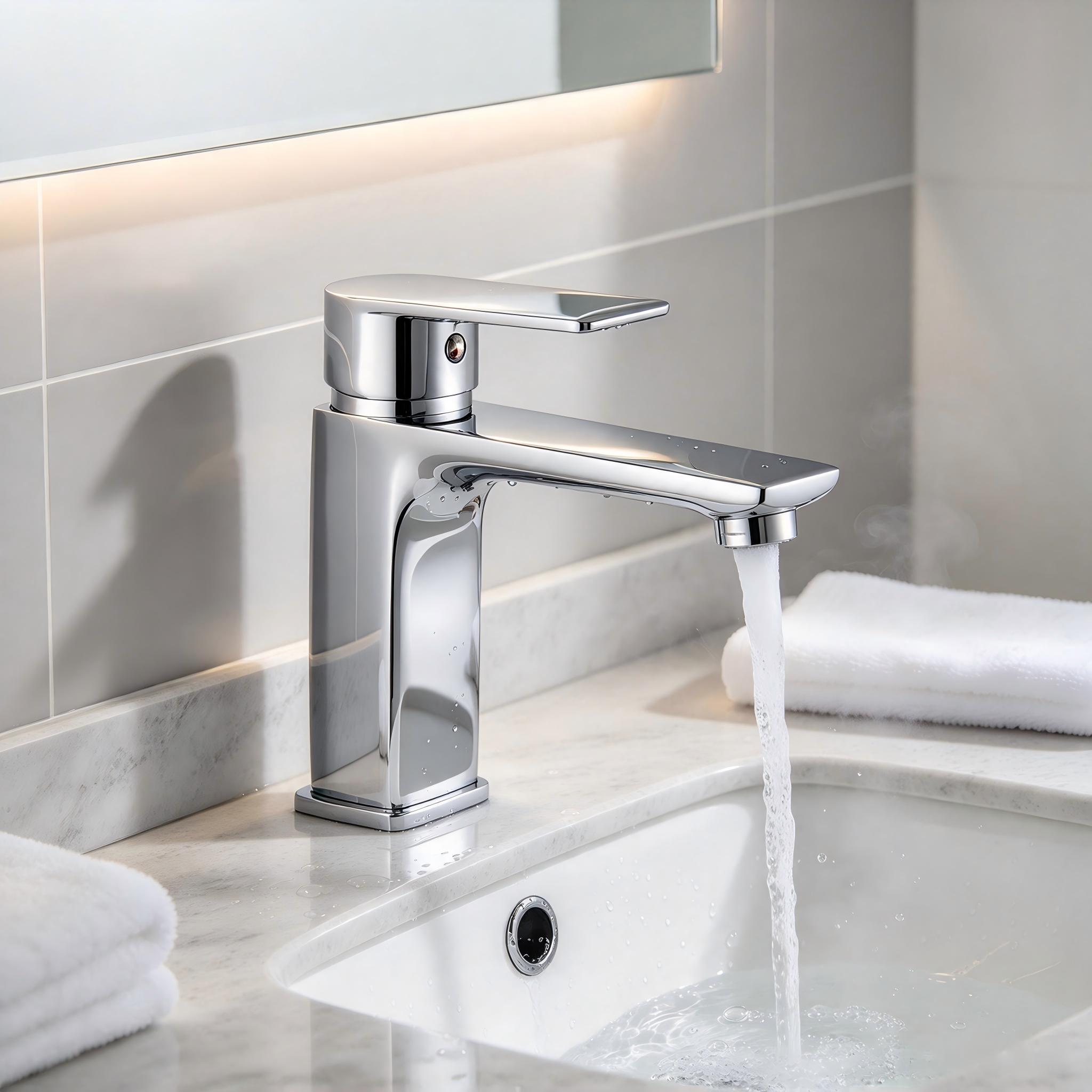
How to control the water flow of a faucet?
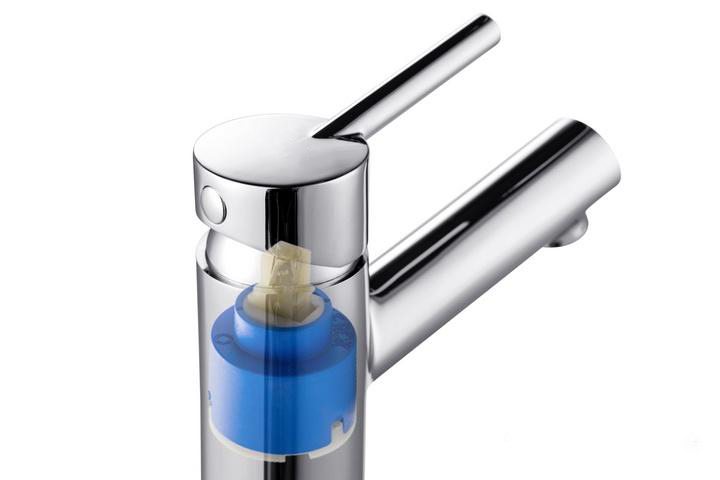
A faucet is mainly composed of three parts: the body, surface treatment, and valve core. The material and surface treatment of the body have been introduced in previous articles, so this article will focus on the "heart" component of the faucet-the valve core.
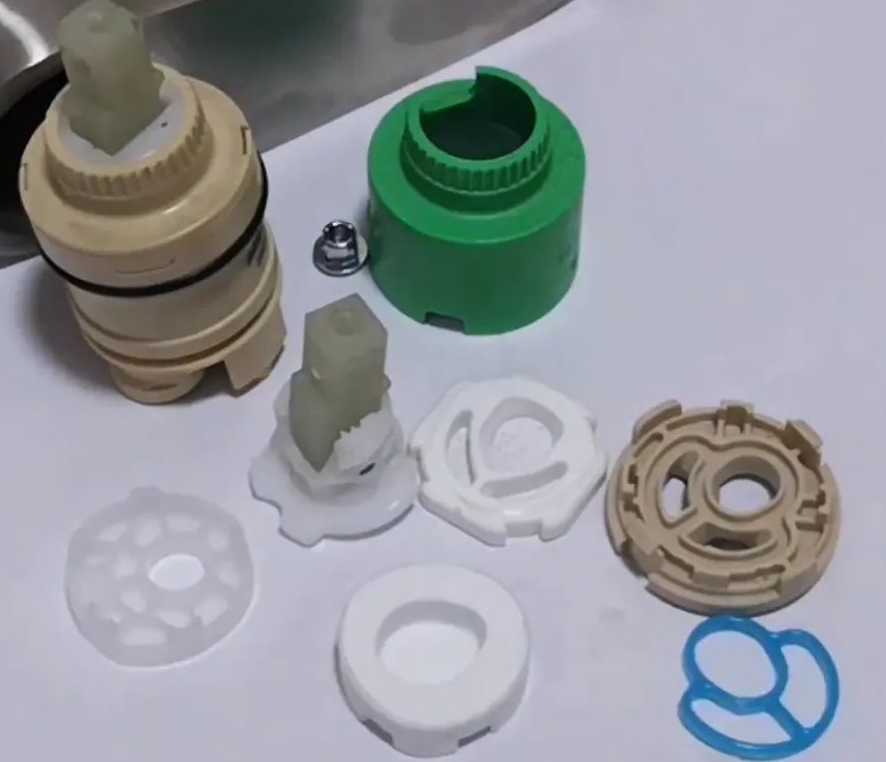
The valve core of a faucet is the core component that controls the water flow size. It is usually composed of valve core guide rails, valve sleeves, and valve cores. Due to the multiple inlet and outlet ports on both sides of the valve core guide rails, the size of the inlet and outlet ports and the position of the valve core can be adjusted to control the water flow size and temperature of the faucet, thereby achieving water-saving and comfortable use of the entire faucet.

Spherical valve core
The ball valve core is a type of valve core used in faucets, which controls the water flow by rotation. The working principle of the ball valve core is to control the liquid flow in the fluid by the relative position of the valve port and the ball, and control the opening and closing of the valve by rotating between the inner spherical surface and the valve seat, thereby regulating the flow of water from the faucet.
The specific working principle is as follows:
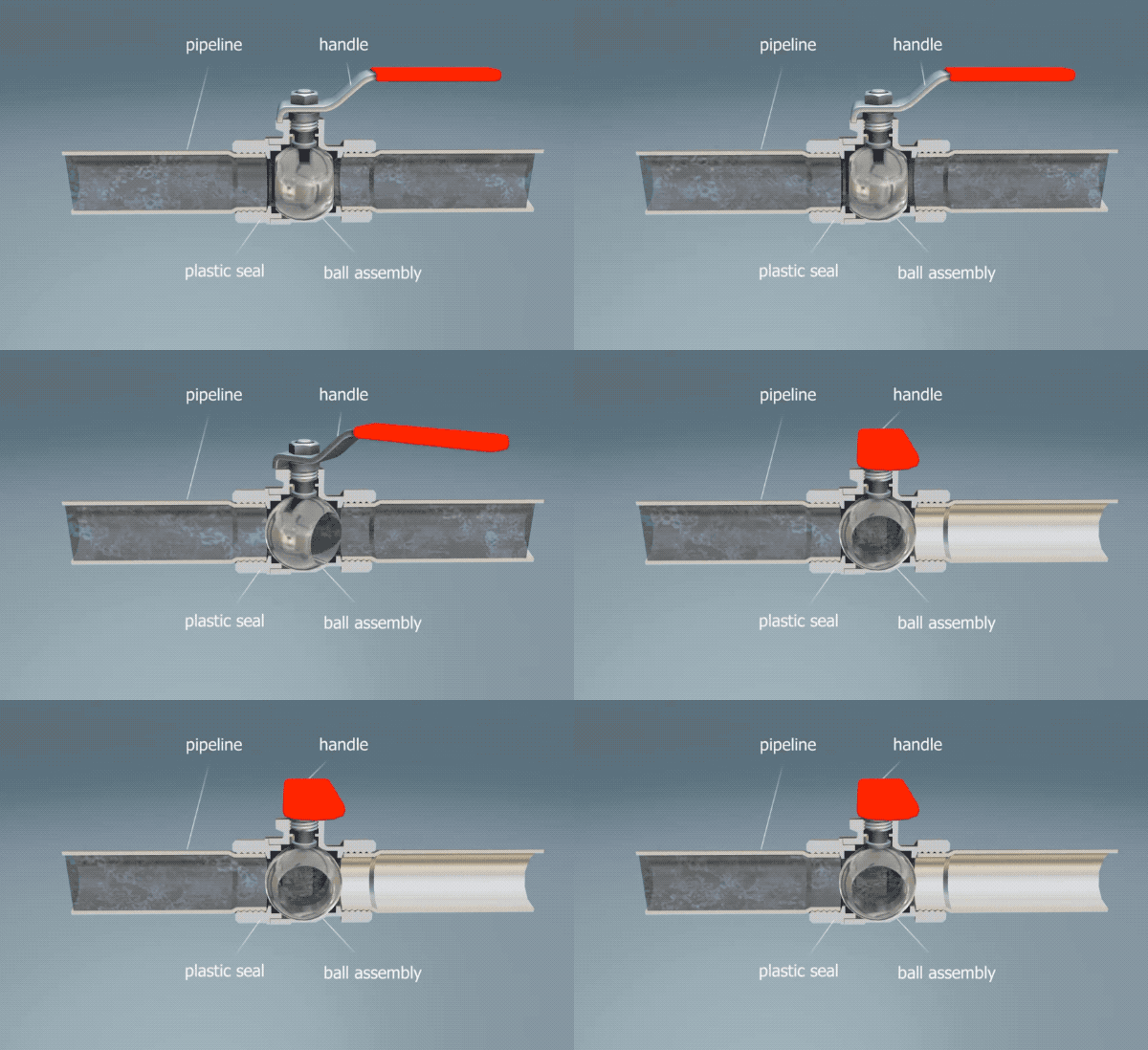
1. Entering the liquid in the front chamber: When the handle is rotated and the control core moves forward, water flows from the pipeline into the front chamber of the valve. At this time, the ball is pushed away from the valve seat by water pressure.
2. Gradually increasing resistance: As the ball continues to rotate, a shrinking spherical hole is formed on the valve seat, which will cause the pressure in the water flow to rise.
3. Fully opening the valve: Under the pressure, the ball continues to rotate and moves along the plastic convexities on the valve seat, ultimately opening the valve.
4. Limiting the flow rate: Use the adjusting handle to control the position of the ball to limit the size of the water flow. When the handle is rotated in the opposite direction, the ball will roll back onto the valve seat, preventing the water flow when the faucet is closed.
The advantage of the ball valve core is its simple structure, convenient operation, good sealing performance, and high flow capacity, which can provide more precise and rapid control of water flow and temperature. In practical applications, the ball valve core is widely used in both household and industrial applications due to its long service life and easy maintenance.
When the rotating valve core, whose axis is in a fixed position, allows water to flow normally, the water flow is at its maximum. However, the rotating valve core can be turned to reduce water flow, making this type of faucet valve core the most commonly found on the market today.
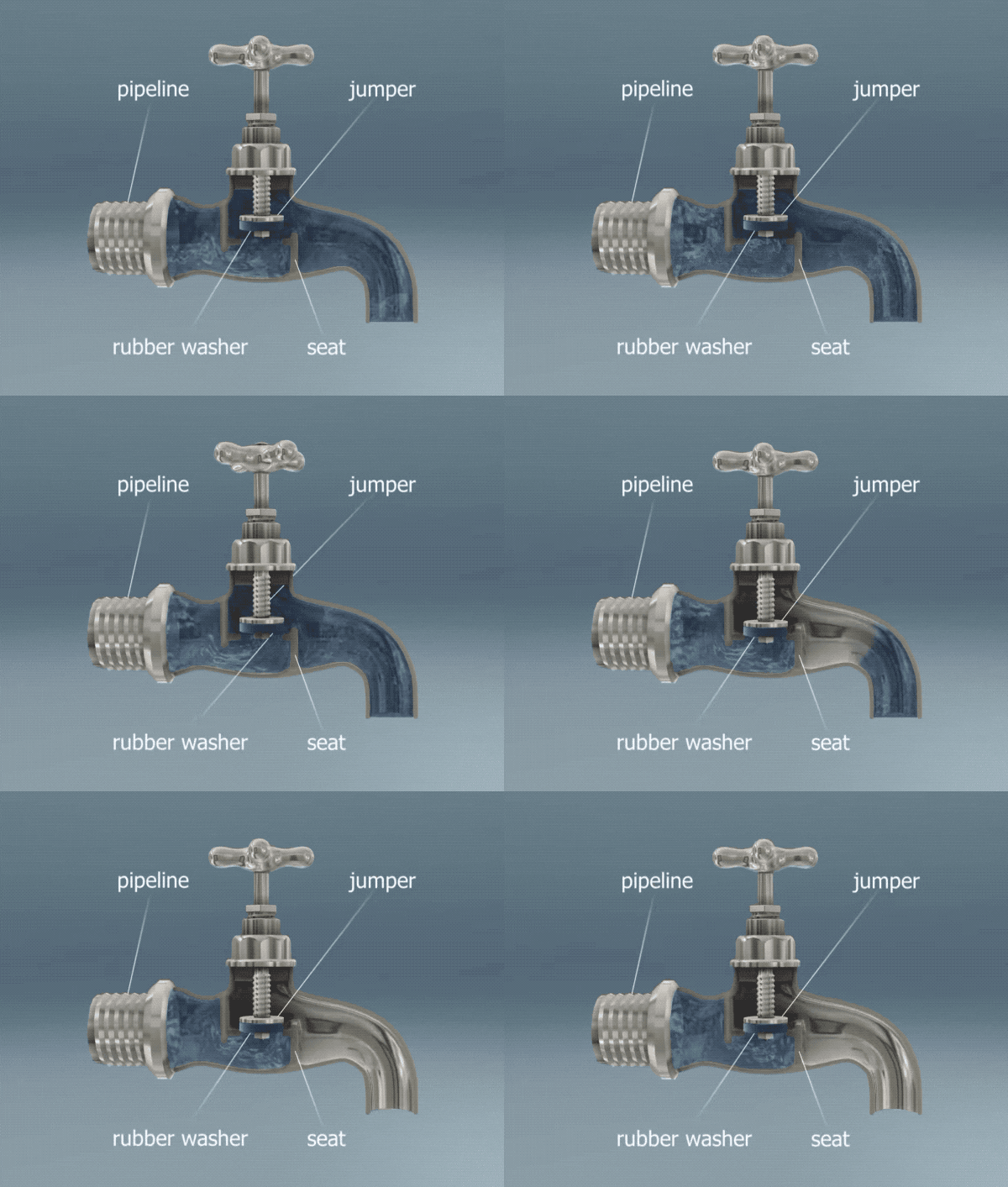

The plug valve controls the flow by raising and lowering the plug, and is applied in bathroom faucets. When the handle is released, the flow of the faucet is controlled by the distance between the plug roller and the water gate. The advantages of plug valves are safety, reliability, and ease of operation.
It is also known as the double-handle ceramic valve core and is currently a common type of faucet core. Made of ceramic, it has more advantages compared to ordinary valve cores, such as good sealing performance, low wear, and strong corrosion resistance. Its working principle can be summarized as follows:
1. Control valve core position: When the handle is rotated, the valve core is lifted or lowered, controlling the gap between the inlet and outlet, thus controlling the flow rate and temperature of the water.
2. Adjust the temperature: Adjust the water temperature of the faucet by controlling the inlet and outlet of the hot and cold water pipes.
The specific working principle is as follows:
1. Open the faucet: When the faucet is opened, water enters the valve body. The water pressure pushes the valve core up, thereby blocking the flow hole.
2. Automatically control the water outlet: When the water pressure increases, the valve core is lifted up to the water outlet position, forming a channel through which water flows out of the water outlet. By rotating the handle, the flow rate and temperature of the water can be changed.
3. Close the faucet: When the faucet is closed, the water pressure disappears. The valve core returns to its original position and closes the faucet to prevent continuous water output.
Overall, the ceramic valve core is a relatively high-end valve core because of its high density and wear resistance, which can improve the lifespan and effectiveness of the faucet and has good water conservation effect. Moreover, because of its simple working principle, it is widely used in households and commercial places, providing users with a better faucet experience.

Revolutionize Your Kitchen and Bathroom Experience with Our Exceptional New Faucet Design
Vaote and THE BIG5 Fair in Dubai
Related Article