
Typhoon Dolphin Impacts Zhejiang: Severe Disruptions to Enterprises & Transport
Severe Natural Disasters Exert Dual Impacts on Economy and Trade
Typhoon Dolphin (No.13, 2026) formed over the Northwestern Pacific Ocean in the afternoon of July 27. With a lifespan of 15 days, it traveled across the Northwestern Pacific over a long distance and made landfall on the coast of Taizhou, Zhejiang Province in China on August 9, as a severe typhoon with a maximum wind speed of Level‑14. After landfall, it moved northwestward across Zhejiang and advanced inland. Even after its main circulation dissipated, the residual low‑pressure vortex did not disappear immediately. It later looped back, bringing another round of widespread heavy rain. Accumulated rainfall reached 500‑800 mm in Taizhou, Ningbo, Wenzhou, Jinshan (Shanghai) and Xiangyang (Hubei). The area covered by rainfall of over 100 mm spanned 331,000 square kilometers.
- Coastal landing zone: violent winds and storm surges, causing damage to coastal infrastructure, shipping and logistics.
- Inland areas: persistent torrential rain (the primary hazard of this event), triggering mountain floods, urban waterlogging and landslides.

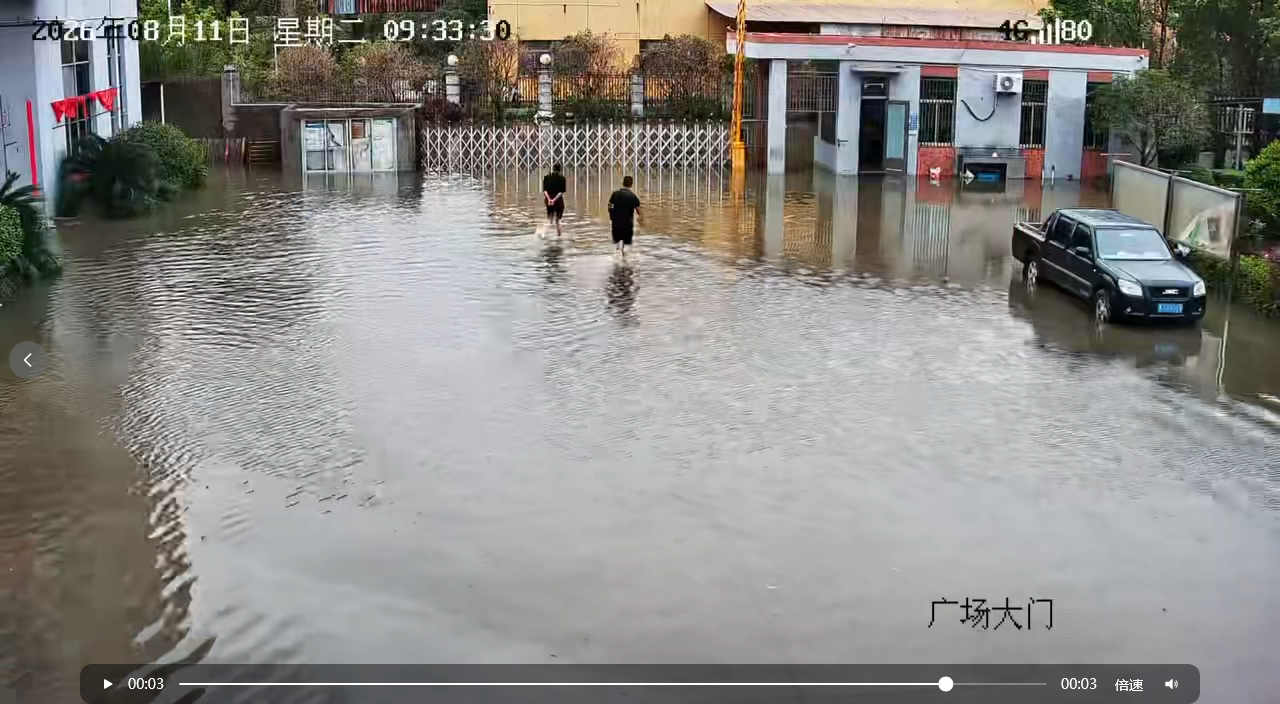

The photo on the left is a surveillance snapshot of the Vaote factory on the morning of August 11, two days after the typhoon’s landfall. Severe waterlogging still persisted on‑site. The factory has to remain closed and can only resume production after floodwater recedes and power supply is restored.
- Widespread delays in road and waterway transportation. Expressways in multiple regions of Zhejiang, Anhui and Jiangxi were temporarily closed, and port operations were suspended.
- Inland warehouses and logistics transfer centers faced the risk of rain‑water flooding.
- The later loop‑back of the residual vortex brought another round of heavy rain to the Jiangsu‑Zhejiang‑Shanghai region, prolonging the logistics recovery period.
HALL B BOOTH NO 10.1K37 AT 140TH CANTON FAIR
FACTORY OPERATION IN SUMMER
Related Article