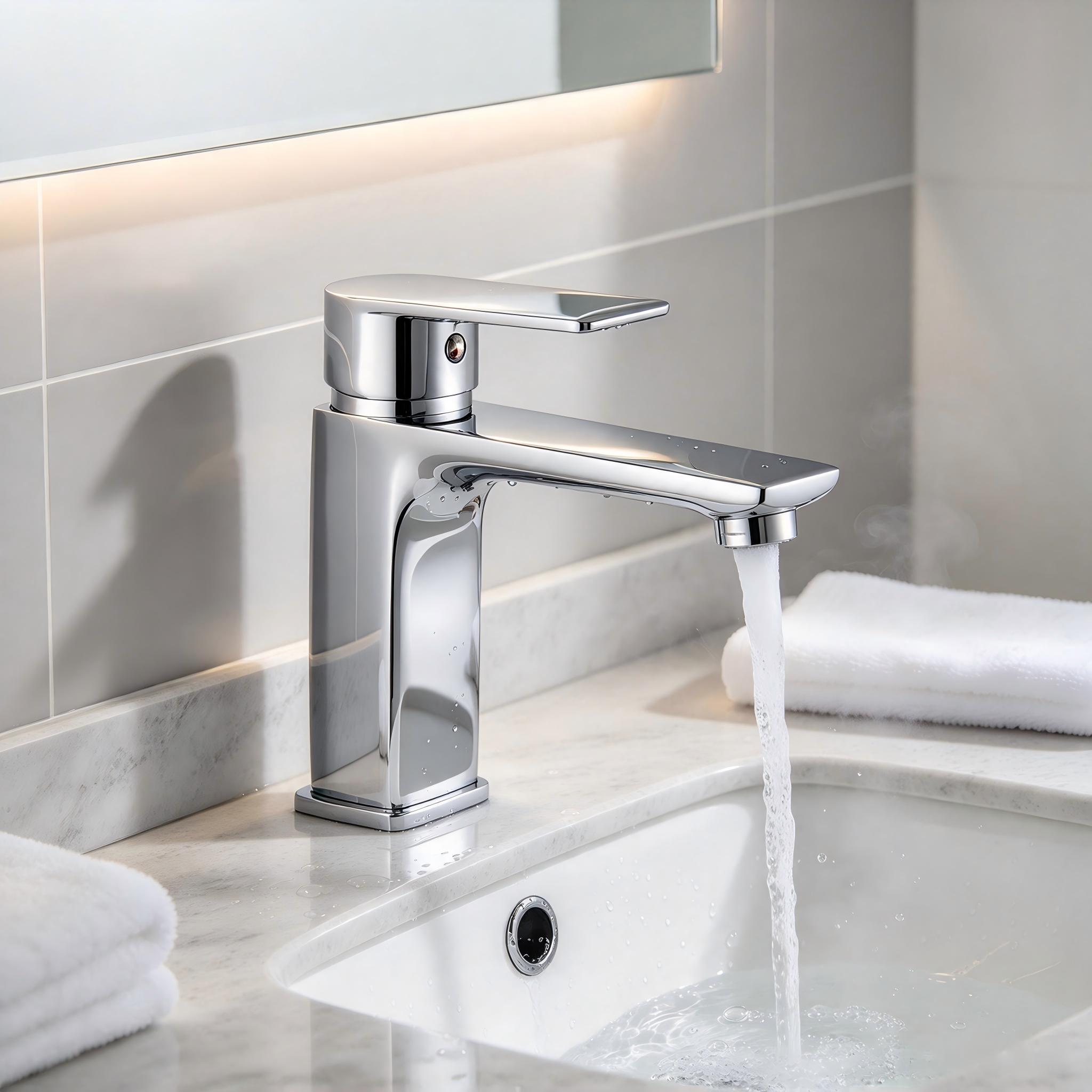
The past and present lives of the faucet that you don't know about.


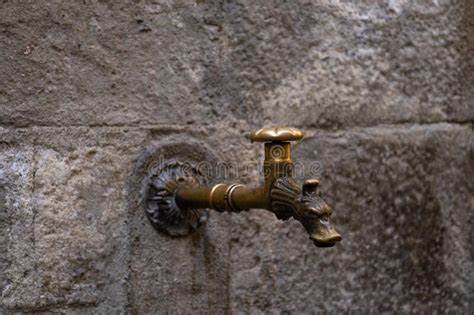

This is a bronze tap from the Roman era, built around AD 100. It was excavated from the ruins of Pompeii and is currently housed in the Naples National Archaeological Museum.
However, due to the abundant water resources in Europe (even today, Italy's tap water is of high quality), and the fact that the Romans built a large number of aqueducts to continuously bring water from rivers, lakes, and springs into Rome, storing it in hundreds of reservoirs and tanks, and then delivering it to households and public baths through water supply channels, they did not have the concept of "saving water" for a considerable period of time. This tap, which can be turned on and off, was also created for the purpose of repairing pipelines.
Therefore, as a Roman, when you take a bath, your tap cannot be turned off.


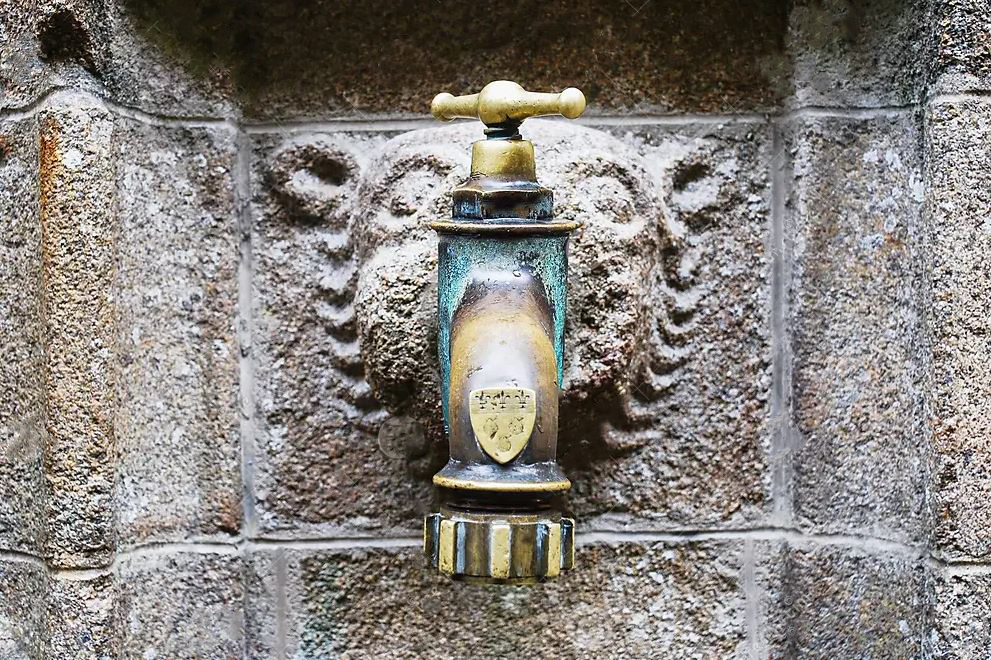
During the Middle Ages, the materials and construction of faucets changed, and more innovation and variety appeared. The most common faucet is made of ceramics, which was called "hulanzi" at that time. This kind of faucet is composed of blunt head and pointed head. The upper raised part is made of ceramics, and the lower tapered part is made of metal. It's a clunky but very reliable design that can be used to distribute water flow and regulate water temperature. In addition to ceramic faucets, steel and iron faucets have also begun to appear, but because metals are prone to corrosion and rust, their service life is shorter.
This made ceramic faucets one of the most popular faucets of the medieval period. Medieval faucets, and even water pipes, were crude, durable appliances without the ornate or sophisticated technology of modern faucets. Medieval faucets are mainly used to distribute water flow and adjust water temperature, and are also widely used in directional water spraying, irrigation, fire protection and agriculture.
As the population of medieval cities grew and water systems became more extensive and sophisticated, the period saw some impressive improvements, with professional blacksmiths, potters and other craftsmen emerging to advance the advancement of taps And development.
In conclusion, the medieval faucet was a relatively simple but highly functional appliance that provided reliable and affordable distribution of water flow and temperature regulation, while modern faucets have improved in design and technology.
Technically more advanced, beautiful and environmentally friendly.


During the 18th and first half of the 19th centuries, many inventors attempted to improve the design of faucets to increase efficiency and prevent leaks. Foremost among these was Thomas Crapper, an engineer in the late 19th century who invented the modern faucet that controlled the flow of water and was widely used in water systems for houses and farms.
Crafted from materials such as ceramic and metal, Crampton faucets are watertight, easy to use and durable. The faucet controls the flow of water by turning it and uses a valve to adjust the temperature of the water. This enables people to conveniently control and adjust the water volume and temperature in bathrooms and kitchens, greatly improving the convenience of life.
As the Crampton faucet became popular, many inventors improved on its design, creating many different types of faucets. Some of these faucets use more advanced materials and manufacturing techniques, such as steel, aluminum alloy, and plastic, which are more durable and leak-proof.
In short, the inventors of faucets in the 18th century and the first half of the 19th century promoted the development and progress of faucet technology through continuous innovation, providing people with more convenient services and more efficient water resource utilization methods.
1. Thomas Crapper Tap: Made from materials such as ceramic and metal, this tap is watertight, easy to use and durable. The faucet controls the flow of water by turning it and uses a valve to adjust the temperature of the water.
2. Murphy Tap: Murphy taps use a more complex mechanical structure, enabling them to automatically control water flow and have better leak-proof performance.
3. Hangzhou Tap: Hangzhou Tap is made in China. It uses a more water-saving mechanical structure and has higher water efficiency, which can greatly reduce the waste of water.


1. Knob-type faucet: This type of faucet uses a knob to control water flow and temperature, which is more convenient than manual switches and can adjust water flow and temperature more precisely.
2. Water faucet: This kind of faucet is equipped with a water saving device, which can reduce water flow, save water and reduce water bills. Some local regulations require the use of water-saving faucets to conserve water.
3. Self-closing faucet: This type of faucet will automatically shut off the flow of water, reducing waste and preventing faucet leaks.
4. Touch faucet: This kind of faucet can control the water flow and temperature through the touch sensor, with a more intelligent design, making it more convenient and hygienic to use.
5. LED faucet: This kind of faucet relies on light to remind users that the water flow speed has exceeded the safety limit.


In the 21st century, the design of modern faucets uses various complex technologies and materials, such as ceramic valves, rubber gaskets, chrome-plated surface treatments, etc., to improve durability and practicality. Many high-tech faucets have become standard equipment in homes, businesses and public places. The new type of faucet has higher water saving performance, better environmental protection, higher corrosion resistance and durability.
1. Smart faucets: These faucets use advanced technology and sensors to intelligently control water flow and temperature, improving usage efficiency and sanitation.
2. Water-saving faucets: These faucets are equipped with water-saving devices, which can greatly reduce water waste, making people more environmentally friendly and water-saving.
3. LED faucets: These faucets utilize colorful LED lights to provide a variety of color changes such as cold, hot water, and sparkling, bringing people a more interesting and stylish experience.
4. Magnetic control faucet: This faucet has a unique design, uses magnetic force to adjust water flow and temperature, which is environmentally friendly and convenient.
5. Faucets for special occasions: Modern faucets also have many different application scenarios, such as touchless faucets and sanitizing faucets in public places, etc.
The Evolution History of Chinese Faucet
single lever vt109 series faucet
Related Article